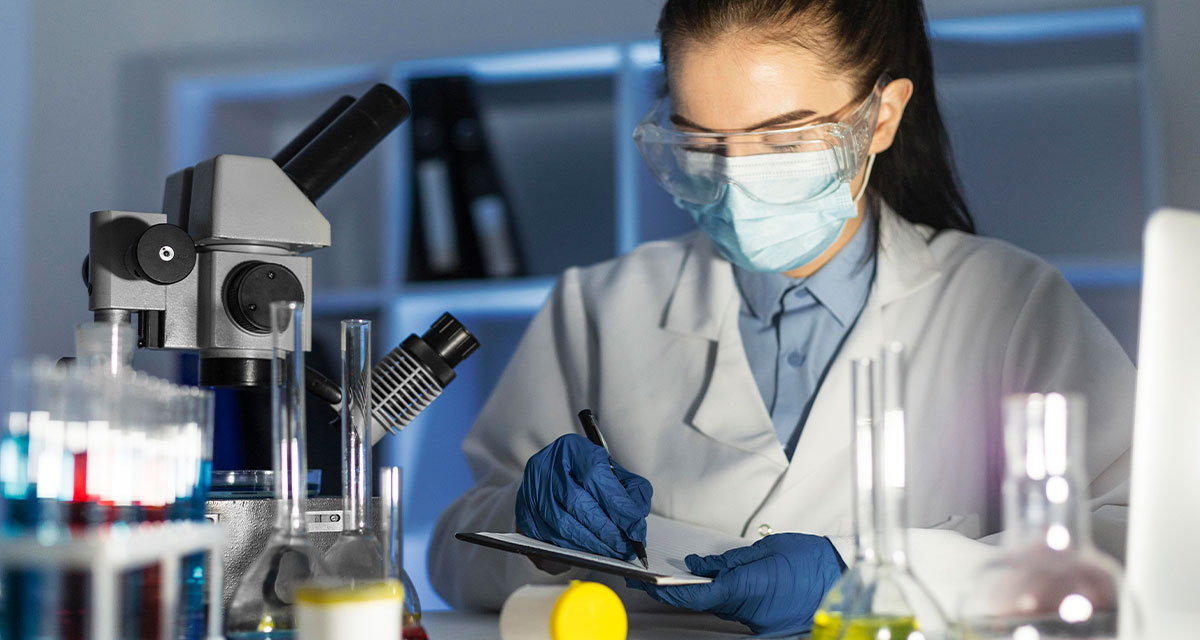
Alcohols are organic compounds formed by replacing hydrogen elements with hydroxyl groups. Alcohols and alcohol-containing substances are widely used in the chemical and textile industries, for the production of cosmetics, paints and varnishes, detergents, disinfectants and disinfectants.
The use of alcohol-containing products for cosmetic procedures and disinfection of premises may have negative consequences for people. The consequences can be dire, and may even lead to death. It depends on the concentration of alcohol in the antiseptic cleaning solutions that are used for combined sanitary disinfection or in air purifiers.
Methanol and ethanol practically do not differ in appearance and smell. In the human body, ethyl alcohol undergoes oxidation processes most rapidly. In turn methyl, isopropyl, isobutyl and other types of alcohol substances are retained in the body longer. The strongest toxic effect of methanol and its vapors is due to the oxidation processes to formic acid and formaldehyde.
Inhaled methanol vapours have a specific effect on the optic nerves causing the affected person to have bilateral amblyopia a few hours after poisoning and a week later complete blindness. Intoxication with methanol vapors can also cause significant irritation of the mucous membranes, headaches, severe dizziness and sleep disturbances, nystagmus and blurred vision, nausea and vomiting, and serious skin lesions. Long-term exposure to methanol can become one of the main reasons for the development of cerebral atherosclerosis, development of severe forms of acidosis and coma.
Vapors of ethyl alcohol provide the same damage level to the body. Vapors of ethyl alcohol can cause irritation of the mucous membranes of the eyes, nose and mouth, headaches, drowsiness, narcotic conditions and dermatitis. Critical doses of synthetic ethyl alcohol can become the strongest carcinogen.
Frequent use of disinfectants with a critical alcohol content can be a key reason for the development of chronic obstructive pulmonary disease. Disinfectants with the active components of ethyl alcohol, glutaraldehyde, hydrogen peroxide and quaternary ammonium compounds are used to treat rooms, hands and medical equipment. They can also be used in the provision of air cleaning services for allergics and other methods of disinfection, including disinfection after covid. However, these compounds carry risks of developing pulmonary pathologies.
The environmentally friendly technology of air and surfaces disinfection DeClAir opens up wide possibilities of use without harming the human body. Disinfectant SECOBREN, an active substance of disinfection with DeClAir technology does not contain alcohol. While other disinfectants, especially those designed for complex sanitation of an apartment, shops and other premises are not recommended to use in the presence of people, DeClAir is suitable for the most difficult cases. It has no inhalation toxicity and is non-toxic when direct contact with the human body occurs.
Moving away from outdated disinfection methods and technologies of detergents production and disinfectants is the basis of our work with clients. Environmental control coupled with a complete rejection of the use of alcohol is what sets SECOBREN apart from competitors on the market.
Popular products
-
Secobren universal for water purification (100 ml) 50 UAH
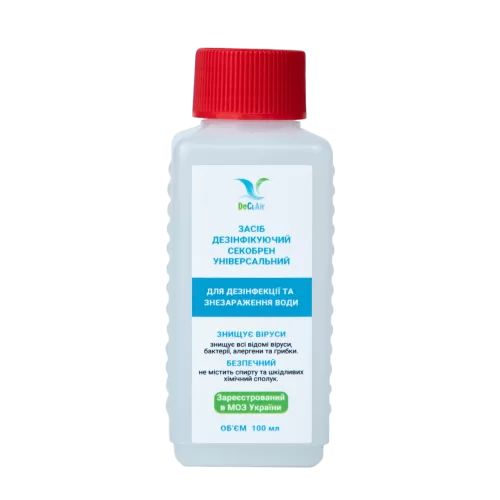
For the AFU
-
Secobrene foot disinfectant (150 ml) 55 UAH
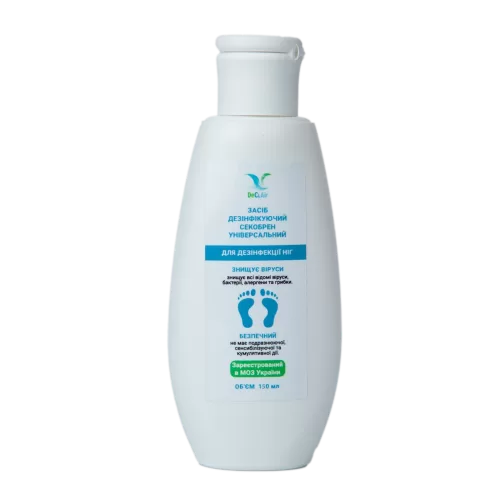
For the AFU
-
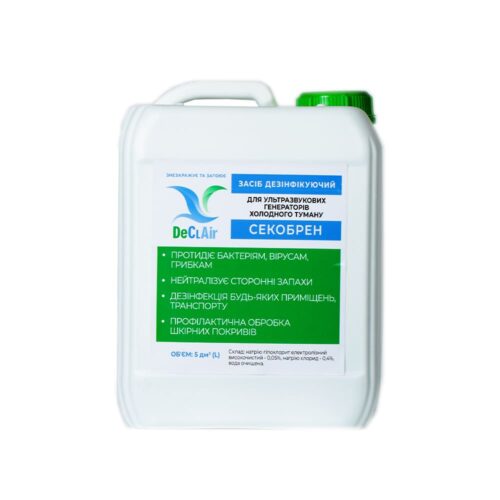 Secobren universal for ultrasonic cold fog generators (5l)
670 UAH
Secobren universal for ultrasonic cold fog generators (5l)
670 UAH
-
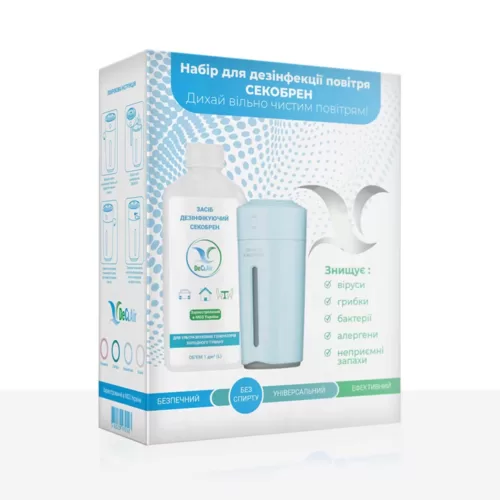 Secobren air disinfection set
1500 UAH
Secobren air disinfection set
1500 UAH
-
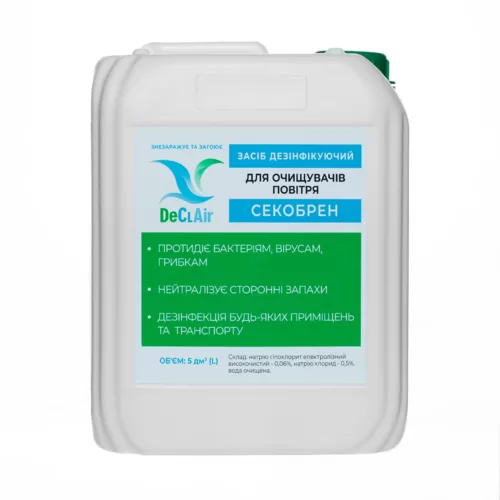 Secobren universal for air purifiers (5l)
730 UAH
Secobren universal for air purifiers (5l)
730 UAH
-
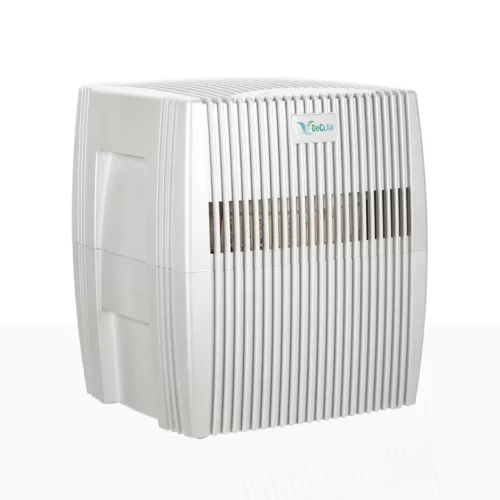 Air purifier OLOR-45